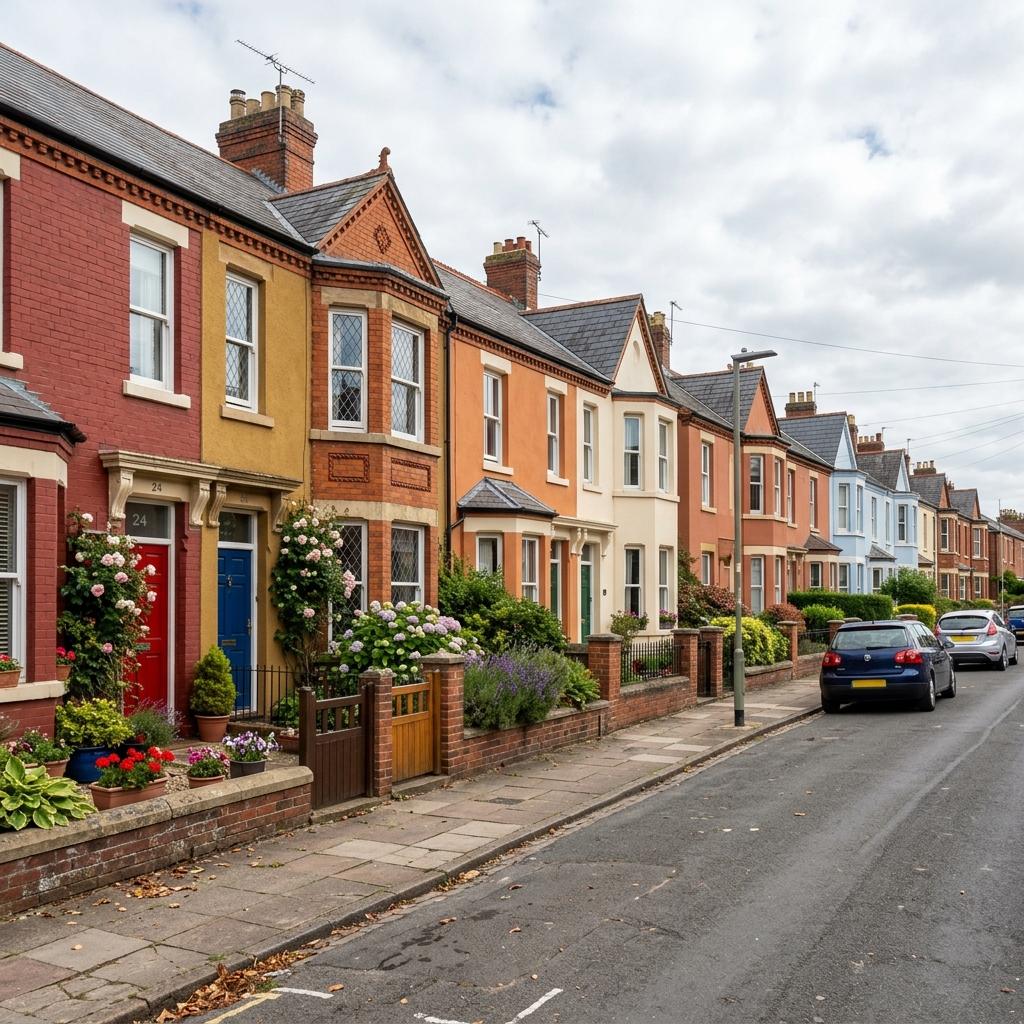
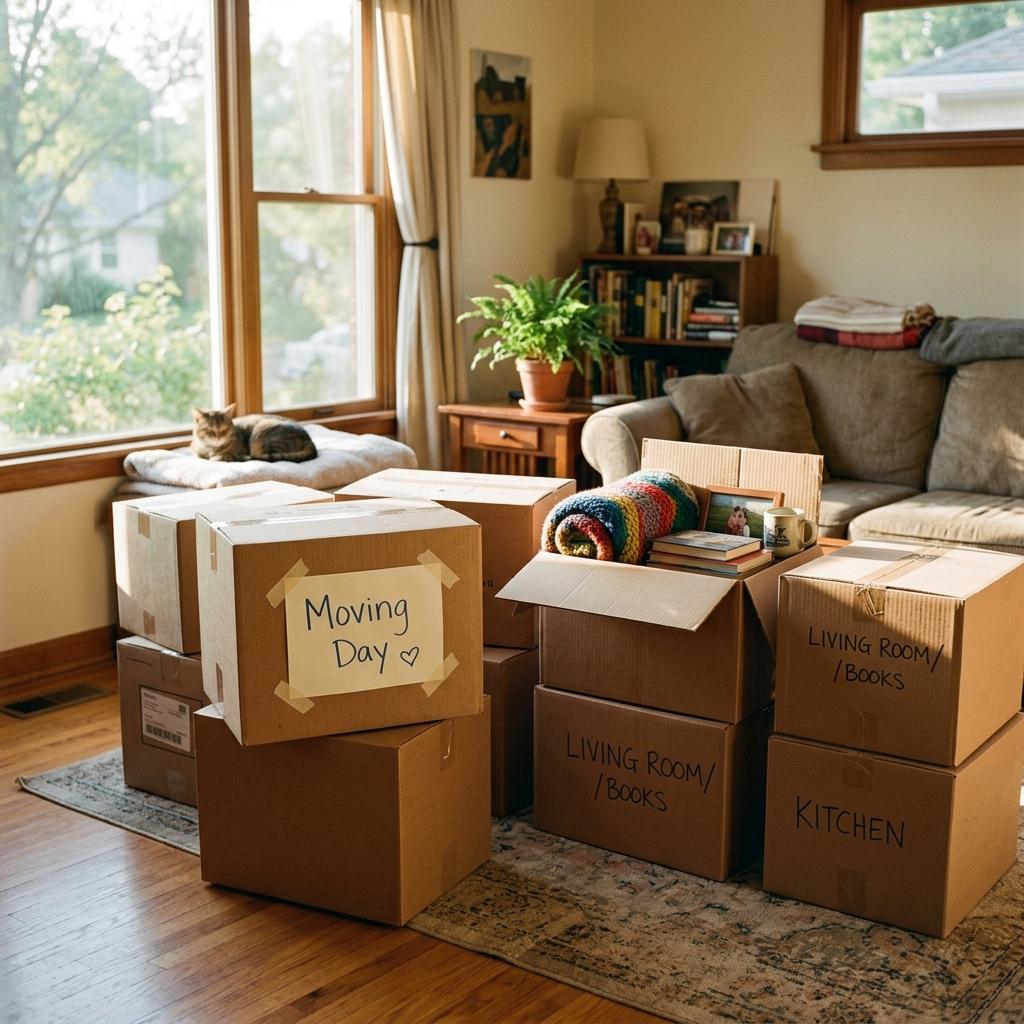
If you're a council or housing association tenant who's fed up with waiting to move, you might have wondered whether to give up and rent privately instead. It's a common thought, and an understandable one. But the two routes are very different, and giving up a secure social tenancy is a big decision. Here's an honest comparison so you know exactly what each one means before you choose.
The quick version
Mutual exchange = swapping your social home with another social tenant. It's free, your secure tenancy stays protected, and you keep your social rent. The hardest part is finding the right person to swap with.
Renting privately = leaving social housing for the private rented sector. There's more choice and you can often move quickly, but it costs more, offers far less security, and giving up your social tenancy is very hard to reverse.
Mutual exchange in more detail
A mutual exchange is a legal right under the Housing Act 1985 that lets two or more social tenants swap homes. It's free, and it doesn't involve mortgages, conveyancing, or stamp duty. Both tenants apply to their own landlords, the landlords inspect and approve, you sign new tenancy agreements, and you swap.
The whole process, from finding each other to swapping keys, typically takes around 6 to 12 weeks. The matching is by far the slowest part. Once you've matched, the rest moves quickly.
What's good about it: It's free. It keeps your secure tenancy and your social rent. There's no mortgage or solicitor to deal with.
What to keep in mind: It's only for social housing tenants. Your landlord can refuse, but only on specific legal grounds. Both tenants need to be eligible.
Renting privately in more detail
Moving into the private rented sector can feel like the faster, freer option, and for some people it genuinely suits their circumstances. But it comes with real trade-offs that are easy to overlook when you're frustrated with waiting.
Private rents are usually much higher than social rents, often by hundreds of pounds a month, and they can rise at renewal. You also have far less protection. In the private sector, your tenancy can often be ended with notice even if you've done nothing wrong, so the security you have now would be gone.
There are upfront costs too: a deposit (often four to five weeks' rent), a month's rent in advance, and the cost of the move itself.
And the biggest thing to weigh: once you give up a secure social tenancy, it's very hard to get back. You'd likely go to the back of the queue, with no guarantee of being rehoused.
Side by side
- Cost: Mutual exchange is free. Renting privately means a deposit, rent in advance, and moving costs upfront, then higher monthly rent.
- Your tenancy: A mutual exchange keeps your secure social tenancy. Renting privately means giving it up, usually for good.
- Rent: Social rent stays low and stable. Private rent is higher and can rise.
- Security: Strong protection as a social tenant. Much weaker protection as a private renter.
- Who it's for: A mutual exchange is for council, housing association, and ALMO tenants. That's who Link My Swap is built for.
Which is right for you?
For most social tenants who simply want to move, a mutual exchange is the better route, because you get the move you want without giving up everything that makes your tenancy secure and affordable. Renting privately might suit people whose circumstances have genuinely changed, or who need to move somewhere with very little social housing. But if your main reason for considering it is frustration with how slow swapping has been, it's worth trying a modern mutual exchange first.
Still weighing it up?
Citizens Advice and Shelter both offer free, independent advice on tenancy decisions. If you're considering a big move, it's always worth talking it through with someone who can look at your specific situation.
Both routes work on Link My Swap
Whichever swap is right for you, the matching is the hardest part. Our app finds compatible swappers in under 30 seconds. direct, chain, mutual or private.